RBI Tightening Turn: Repo Hike Bets and WMA Reform
BofA Securities expects the RBI to raise the repo rate by 100 basis points through mid-2027, starting on 7 October. Separately, an RBI panel wants a bigger Ways and Means Advances window for states. What both mean for UPSC.
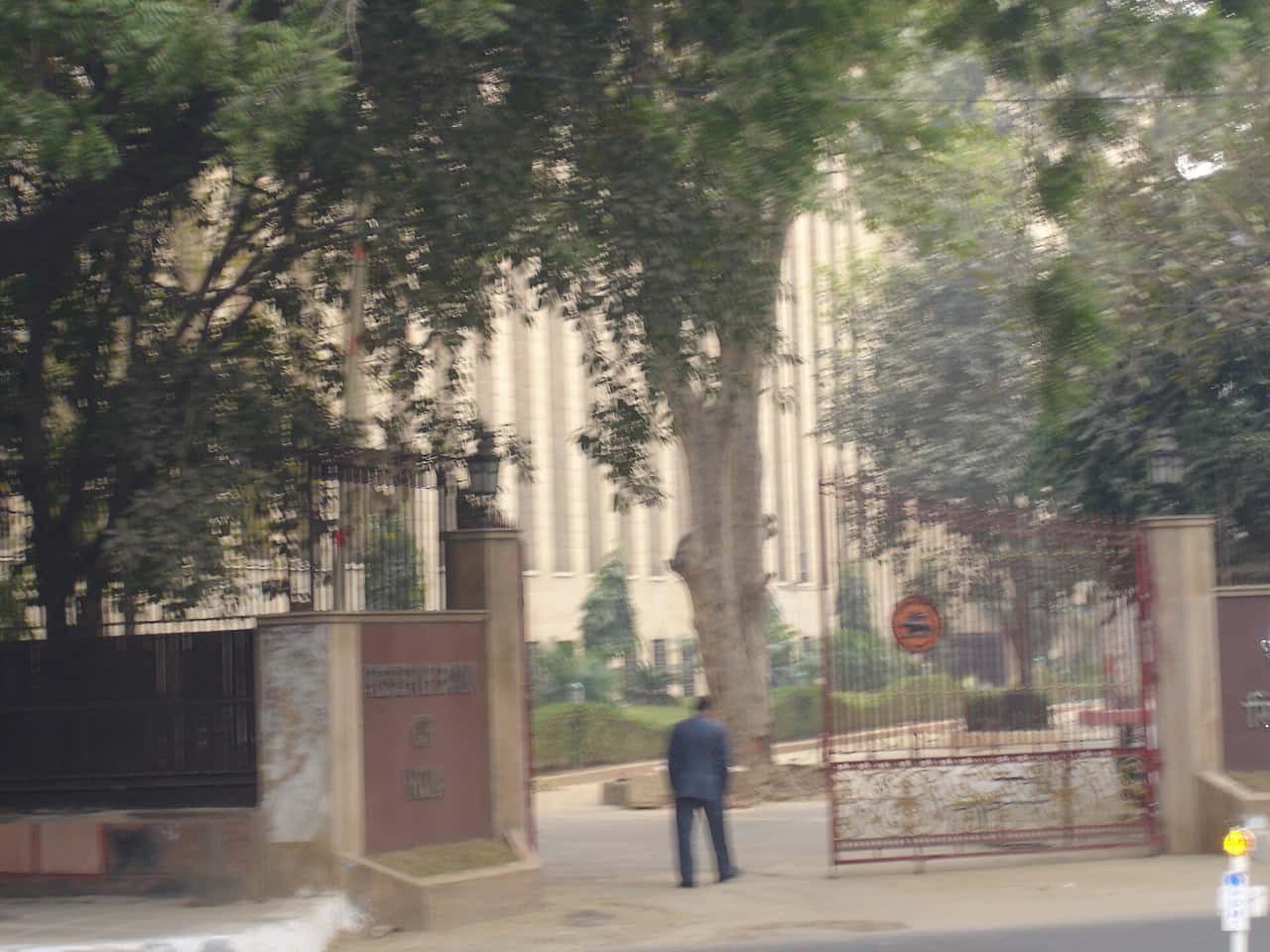
BofA Securities said on 30 September 2026 that the Reserve Bank of India (RBI) may raise the repo rate by 100 basis points through mid-2027. It expects the first 25 basis point hike at the 7 October Monetary Policy Committee meeting. Oil near $100-110 a barrel and broader food inflation are driving the call. A day earlier, an RBI panel proposed a larger liquidity window for states.
Will the RBI raise the repo rate in October 2026?
Several brokerages now expect it. BofA Securities forecasts a 25 basis point hike at the 7 October 2026 MPC meeting. It sees 100 basis points in total through the first half of 2027, taking the repo rate to 6.25%. Morgan Stanley also sees a 25 basis point hike. The reasons are oil prices near $100-110 a barrel, broadening food inflation and resilient growth.
The primary objective of the monetary policy is to maintain price stability while keeping in mind the objective of growth.
Preamble, Reserve Bank of India Act, 1934 (as amended by the Finance Act, 2016)
What Happened?
BofA raised its forecast for total hikes to 100 basis points from 50, and brought the first hike forward to October from December. It expects the RBI to shift its stance to "calibrated tightening" in December. It cited non-food credit growth of 17.8% and tradables inflation of 5.9% in August 2026.
On 29 September, the RBI released the report of a committee headed by former Karnataka official ISN Prasad on Ways and Means Advances (WMA) for states. It proposed raising the combined limit from ₹61,008 crore to ₹67,839 crore. It also proposed state-wise limits based on revenue receipts and fewer allowed overdraft days.
RBI data released on 30 September showed India's external debt at $778.2 billion at end-June 2026, up $15.4 billion in a quarter. The debt-to-GDP ratio eased slightly to 20.8% from 20.9%. US dollar debt made up 54.8% of the total.
Why It Matters
A rate hike would reverse the RBI's easing cycle and raise borrowing costs for firms, households and governments. The monsoon deficit and high oil prices push food and fuel inflation up together. The RBI's mandate under its Act puts price stability first, so a hike looks likely if inflation stays near 5.5%.
The WMA review matters for federal finance. States with temporary cash gaps lean on the RBI rather than costly market borrowing. Linking limits to revenue receipts rewards states that manage cash well and nudges over-dependent states to plan better.
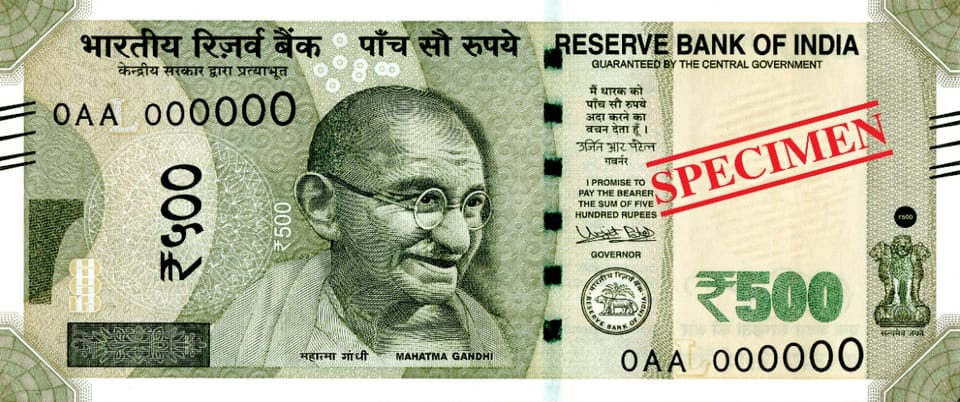
Concept Behind the News: Repo, MPC and WMA
The repo rate is the rate at which the RBI lends overnight to banks against government securities. Raising it makes credit costlier and cools demand. The six-member Monetary Policy Committee, chaired by the RBI Governor, sets the repo rate. Its target is 4% CPI inflation within a band of 2% to 6%.
Ways and Means Advances are short-term loans from the RBI to cover temporary gaps between government receipts and payments. They are not meant to fund deficits. States first use the Special Drawing Facility, backed by their sinking fund investments, then WMA, and finally overdraft.
WMA for states: current rules vs committee proposals
| Item | Current | Proposed |
|---|---|---|
| Aggregate WMA limit | ₹61,008 crore (from 9 January 2026) | ₹67,839 crore (+11.2%) |
| Basis of state-wise limit | Common formula | Revenue receipts relative to spending |
| Continuous overdraft | Up to 14 days | Up to 10 days |
| Overdraft days in a quarter | Up to 36 days | Up to 30 days |
| SDF against CSF investments | 50% of eligible investments | 75% of eligible investments |
| Revision of the limit | Revised periodically by the RBI | Yearly review, rise capped at 4%, no cuts |
Syllabus Connection
- GS-III (Economy): Monetary policy, inflation and the MPC framework
- GS-III (Economy): Fiscal federalism and state finances
- GS-III (Economy): External sector and external debt
PYQ Connection
UPSC Prelims 2017
Question: Which of the following statements is/are correct regarding the Monetary Policy Committee (MPC)? 1. It decides the RBI's benchmark interest rates. 2. It is a 12-member body including the Governor of RBI and is reconstituted every year. 3. It functions under the chairmanship of the Union Finance Minister. Select the correct answer using the code given below:
- 1 only
- 1 and 2 only
- 3 only
- 2 and 3 only
Answer: 1 only
Only statement 1 is correct. The MPC sets the policy repo rate. It has six members, not twelve, with fixed four-year terms for external members. It is chaired by the RBI Governor, not the Finance Minister.
UPSC Prelims 2020
Question: If the RBI decides to adopt an expansionist monetary policy, which of the following would it not do? 1. Cut and optimize the Statutory Liquidity Ratio 2. Increase the Marginal Standing Facility Rate 3. Cut the Bank Rate and Repo Rate Select the correct answer using the code given below:
- 1 and 2 only
- 2 only
- 1 and 3 only
- 1, 2 and 3
Answer: 2 only
An expansionary policy cuts rates. Raising the Marginal Standing Facility rate is a tightening step, so the RBI would not do it. A hike in October 2026 would be the opposite move: tightening.
UPSC Prelims 2014
Question: The terms ‘Marginal Standing Facility Rate’ and ‘Net Demand and Time Liabilities’, sometimes appearing in news, are used in relation to
- banking operations
- communication networking
- military strategies
- supply and demand of agricultural products
Answer: banking operations
The MSF rate and Net Demand and Time Liabilities are banking terms. NDTL is the base on which CRR and SLR are calculated.
UPSC Mains 2024 | GS-III, 10 marks: What are the causes of persistent high food inflation in India? Comment on the effectiveness of the monetary policy of the RBI to control this type of inflation. How this news helps: The 2026 case fits well: a monsoon deficit and an oil shock push food and fuel prices together. Discuss what rate hikes can and cannot do against supply-side inflation.
Visual Explanation: The Rate Path Markets Expect
Repo rate path projected by BofA Securities (%)
| Now | 5.25 |
|---|---|
| Oct 2026 | 5.5 |
| Dec 2026 | 5.75 |
| H1 2027 | 6.25 |
India's external debt by currency, end-June 2026 (% share)
| US dollar | 54.8 |
|---|---|
| Rupee | 29.8 |
| Yen | 6.9 |
| SDR | 4.1 |
| Euro | 3.5 |
Connect the Dots
- Oil stays near $100-110 a barrel through September amid West Asia tensions.
- Monsoon ends 12.6% short, raising food price risks into winter.
- Tradables inflation reaches 5.9% in August; credit growth stays strong at 17.8%.
- Brokerages expect the MPC to start hiking on 7 October 2026.
- Higher rates raise borrowing costs for the Centre and states; WMA reform eases states' cash management.
- Next: MPC decision on 7 October and a possible stance change in December.
Read More
- Reserve Bank of India: monetary policy statements (MPC resolutions, minutes and the WMA committee report)
- RBI Surveys: Inflation Expectations and Monetary Policy (How household inflation expectations feed MPC decisions)
Exam Takeaway
- MPC: six members, chaired by the RBI Governor; target 4% CPI inflation, band 2% to 6%.
- WMA are temporary loans for cash mismatches, not deficit financing.
- States use SDF first, then WMA, then overdraft.
- External debt at end-June 2026: $778.2 billion, 20.8% of GDP; dollar share 54.8%.
Exam Angle
Prelims can test MPC composition, the order of state liquidity windows and which tools tighten money supply. For Mains, discuss whether rate hikes can tame inflation driven by oil and a poor monsoon. Weigh that against growth near 7% and rising public borrowing costs.
Possible Question
Practice Question
Question: With reference to Ways and Means Advances (WMA) of the Reserve Bank of India, consider the following statements: 1. WMA are meant to bridge temporary mismatches between receipts and payments of governments. 2. States can avail WMA only after exhausting the overdraft facility. 3. The Special Drawing Facility is extended against states' investments in the Consolidated Sinking Fund. Which of the statements given above are correct?
- 1 and 2 only
- 2 and 3 only
- 1 and 3 only
- 1, 2 and 3
Answer: 1 and 3 only
Statement 1 is correct. Statement 2 is wrong: the order is SDF, then WMA, and overdraft starts only after the WMA limit is exhausted. Statement 3 is correct: SDF is collateralised by CSF and GRF holdings.
Sources & Further Reading
- The Economic Times: RBI may raise repo rate by 100 bps through H1 2027: BofA Securities (30 September 2026)
- The Economic Times: Panel proposes raising RBI's ways and means advances corpus by 11.2% to Rs 67,839 crore (29 September 2026)
- The Hindu BusinessLine: India's external debt rises to $778.2 billion in June quarter, RBI data shows (30 September 2026)
- Financial Express: RBI MPC October meeting: Morgan Stanley sees 25 bps rate hike (30 September 2026)
- NCERT Class XII, Introductory Macroeconomics, Chapter 3: Money and Banking