Election Commission Rift: Dissent, SIR and CEC Removal
Two Election Commissioners put objections on file at least 14 times, the Commission responded with nine decisions, and the 2023 appointments law is headed to a Constitution Bench. What it means for Article 324.
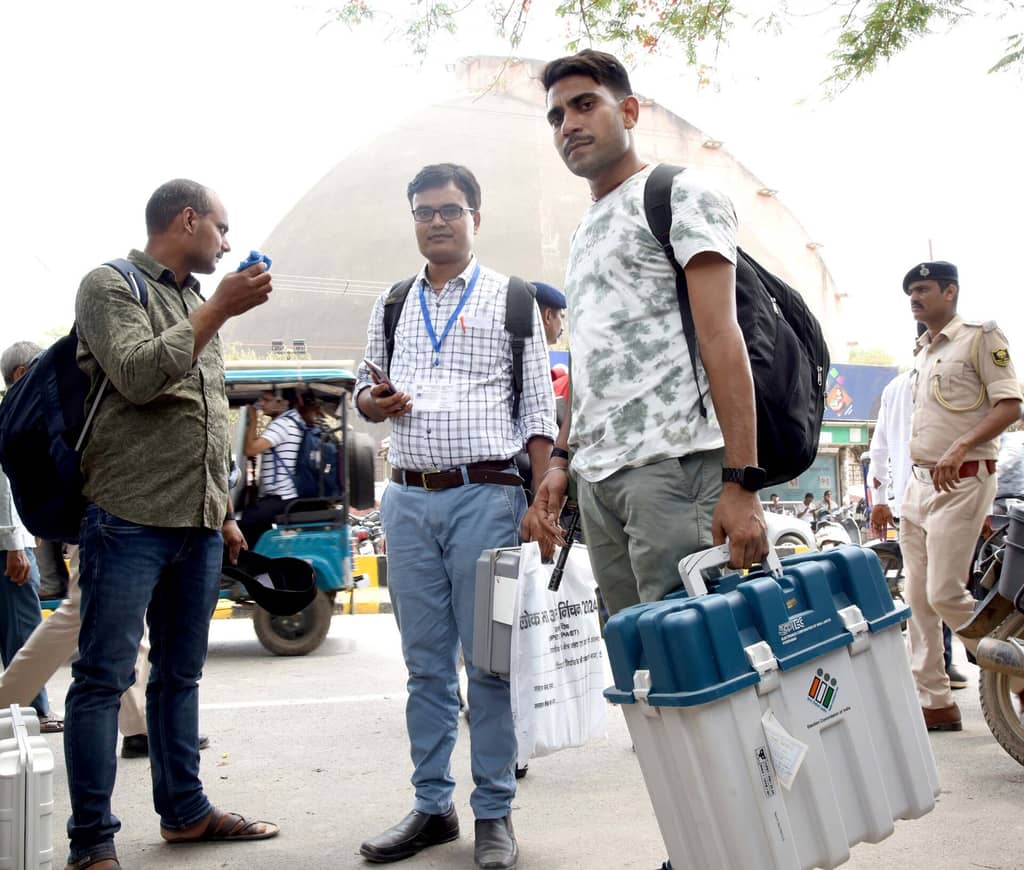
The Election Commission of India (ECI) announced nine decisions on 26 September 2026. The Indian Express had reported that Election Commissioners Sukhbir Singh Sandhu and Vivek Joshi recorded objections at least 14 times. Their notes questioned how Chief Election Commissioner Gyanesh Kumar ran the Special Intensive Revision (SIR) of voter rolls. The rift has revived questions about the body's independence.
What is the Election Commission controversy of September 2026 about?
Two of the three Election Commissioners, Sukhbir Singh Sandhu and Vivek Joshi, recorded at least 14 objections over 10 months. They questioned decisions on voter registration, deletions and IT systems under CEC Gyanesh Kumar. On 26 September 2026 the Commission issued nine decisions, including circulating agendas and minutes and an independent review of ECINet. Critics say the questions on the SIR remain unanswered.
Democracy is government by the people. It is a continual participative operation, not a cataclysmic, periodic exercise.
Justice V.R. Krishna Iyer, Mohinder Singh Gill v. Chief Election Commissioner, Supreme Court of India (1978)
What Happened?
The two Commissioners' notes covered who gets registered, who gets deleted and who controls the electoral roll software. Joshi objected in May to a new question on parents inserted into the online Form 6. Sandhu later called it "unauthorised/illegal".
The Commission's nine decisions accept several of these concerns. Agendas will be circulated before meetings and minutes issued after. Officers' foreign trips need Commission approval. ECINet will be reviewed by a committee that includes an expert from an IIT or IIIT.
On 30 September, the Bombay High Court at Goa held that a draft SIR roll cannot justify deleting a voter without a hearing. It said administrative software cannot override the law. Separately, two pleas seek recall of the 23 September split opinion, alleging a judge did not disclose his son's role as ECI standing counsel.
Why It Matters
The Election Commission is a multi-member body, but Article 324 gives the CEC a stronger shield than other Commissioners. Dissent inside it is not new: Ashok Lavasa recorded dissent in 2019. What is new is dissent on the electoral roll itself, the foundation of every election.
Critics, including The Hindu's editorial, say the SIR shifted the burden of proof from the state to the voter. They cite more than 13 crore names removed from draft rolls. Supporters of the exercise point to the Supreme Court's 27 May order, which allowed it to go ahead.
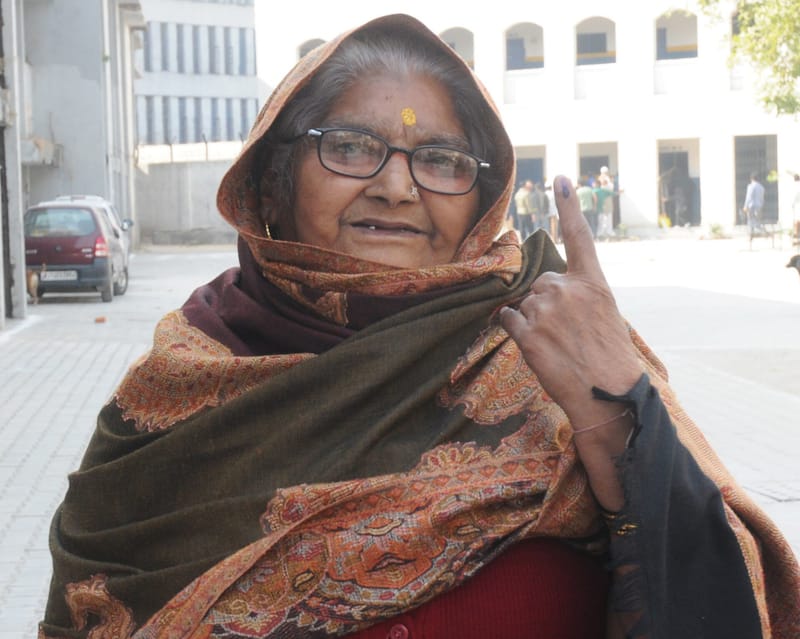
Concept Behind the News: How the CEC Is Appointed and Removed
Article 324 vests superintendence, direction and control of elections in the Election Commission. Under Article 324(5), the CEC can be removed only like a Supreme Court judge. This needs a special majority in both Houses of Parliament on grounds of proved misbehaviour or incapacity. Other Election Commissioners can be removed only on the CEC's recommendation.
Who picks the Election Commission: three stages
| Stage | Selection method | Key concern |
|---|---|---|
| Before 2023 | President appoints on advice of the Union Cabinet | Fully executive choice |
| Anoop Baranwal (2023) | Panel of PM, Leader of Opposition and Chief Justice of India | Interim, until Parliament made a law |
| CEC and ECs Act, 2023 | Panel of PM, Leader of Opposition and a Union Minister named by PM | Government holds 2 of 3 votes |
Syllabus Connection
- GS-II (Polity): Constitutional bodies, Article 324, appointment and removal of the CEC
- GS-II (Governance): Electoral reforms and the Representation of the People Act, 1950
- GS-II (Judiciary): Judicial review of executive appointments; Anoop Baranwal (2023)
PYQ Connection
CAPF 2024
Question: Which of the following statements with regard to the Anoop Barenwal v. Union of India (2023) case is/are correct? 1. The case was heard by a Constitutional Bench 2. According to the judgment, the grounds for removal of Election Commissioners shall be the same as the Chief Justice of India Select the answer using the code given below:
- 1 only
- 2 only
- Both 1 and 2
- Neither 1 nor 2
Answer: 1 only
Statement 1 is correct: Anoop Baranwal was decided by a five-judge Constitution Bench in March 2023. Statement 2 is wrong: removal grounds are set by Article 324(5), which equates only the CEC with a Supreme Court judge. The 2023 Act that replaced the CJI on the panel is now being challenged.
UPSC Prelims 2017
Question: Consider the following statements: 1. The Election Commission of India is a five-member body. 2. The Union Ministry of Home Affairs decides the election schedule for the conduct of both general elections and by-elections. 3. The Election Commission resolves the disputes relating to splits and mergers of recognised political parties. Which of the statements given above is/are correct?
- 1 and 2 only
- 2 only
- 2 and 3 only
- 3 only
Answer: 3 only
Only statement 3 is correct. The ECI has been a three-member body since 1993, not five. It decides poll schedules itself, not the Home Ministry. Under the Symbols Order, 1968, it decides disputes on splits and mergers of recognised parties.
UPSC Prelims 2006
Question: Which one among the following commissions was set up in pursuance of a definite provision under an Article of the Constitution of India?
- University Grants Commission
- National Human Rights Commission
- Election Commission
- Central Vigilance Commission
Answer: Election Commission
The Election Commission is created directly by Article 324. UGC is statutory, NHRC was set up under the Protection of Human Rights Act, 1993, and the CVC under the CVC Act, 2003.
UPSC Mains 2018 | GS-II, 10 marks: In the light of recent controversy regarding the use of Electronic Voting Machines (EVM), what are the challenges before the Election Commission of India to ensure the trustworthiness of elections in India? How this news helps: Trust was the theme then with EVMs; in 2026 it is the electoral roll. Use the 14 objections, the nine decisions and the Bombay HC ruling as fresh examples.
UPSC Mains 2022 | GS-II, 15 marks: Discuss the role of the Election Commission of India in the light of the evolution of the Model Code of Conduct. How this news helps: Contrast the ECI's strong role under the Model Code with the questions now raised about its internal decision-making.
Visual Explanation: Concerns vs the Commission's Response
What the two Commissioners flagged and what changed on 26 September
| Issue | Concern on file | Commission decision |
|---|---|---|
| Meetings | Agendas not circulated, minutes not issued | Agenda before and minutes after every meeting |
| Officer travel | Officers went abroad without approval | Foreign trips need Commission approval |
| IT systems | New modules built without Commission's knowledge | Officers' committee to vet modules first |
| Roll database | Needs independent audit | ECINet review with an IIT or IIIT expert |
| Form 6 question | Parents' question added to online form | Not addressed for the online form |
Connect the Dots
- March 2023: Anoop Baranwal judgment adds the CJI to the selection panel until Parliament legislates.
- December 2023: CEC and ECs Act replaces the CJI with a Union Minister chosen by the PM.
- 2025-26: SIR of electoral rolls runs in Bihar, West Bengal and other states; critics say draft-roll deletions run into crores.
- September 2026: Reports show two Commissioners objected at least 14 times; ECI issues nine decisions on 26 September.
- 23-30 September 2026: Split opinion on the 2023 law, curative and recall pleas, and the Bombay HC ruling on draft rolls.
- Next: CJI to list the reference; Opposition weighs a removal motion against political mobilisation.
Read More
- Election Commission of India: official site (Press notes, SIR schedules and electoral roll rules)
- V-Dem India Democracy Index 2026 (How democracy indices rate India's electoral institutions)
Exam Takeaway
- Article 324(5): CEC removable only like a Supreme Court judge; other ECs only on the CEC's recommendation.
- ECI has been a three-member body since 1993; decisions are by majority.
- Anoop Baranwal (2023) panel: PM, LoP, CJI. The 2023 Act panel: PM, LoP, a Union Minister.
- The Bombay HC at Goa held that a draft roll cannot be the basis for deletion without a hearing.
Exam Angle
Prelims may test the removal procedure, the composition of the selection panel and the forms used for roll revision. For Mains, frame it as an institutional independence question. Weigh executive control of appointments against the need for internal accountability, using the 2026 dissent as a live example.
Possible Question
Practice Question
Question: With reference to the Election Commission of India, consider the following statements: 1. The Chief Election Commissioner can be removed from office only in the manner and on the grounds of a Supreme Court judge. 2. Under the 2023 appointments law, the Chief Justice of India is a member of the selection committee. 3. An Election Commissioner can be removed only on the recommendation of the Chief Election Commissioner. Which of the statements given above are correct?
- 1 and 2 only
- 1 and 3 only
- 2 and 3 only
- 1, 2 and 3
Answer: 1 and 3 only
Statements 1 and 3 follow Article 324(5). Statement 2 is wrong: the 2023 Act replaced the CJI with a Union Cabinet Minister nominated by the Prime Minister.
Sources & Further Reading
- The Indian Express: Election Commission's nine new decisions: What changes and what doesn't (27 September 2026)
- The Hindu: In need of an overhaul: on the Election Commission of India's press note (28 September 2026)
- The Hindu: ECI appointments case: J. Datta asks petitioner to mention before CJI his plea to recall split verdict (1 October 2026)
- The Hindu: Draft electoral roll cannot be basis for deleting names without hearing: Bombay HC at Goa (1 October 2026)
- Hindustan Times: Opposition may put on hold motion to remove CEC Gyanesh Kumar (1 October 2026)